
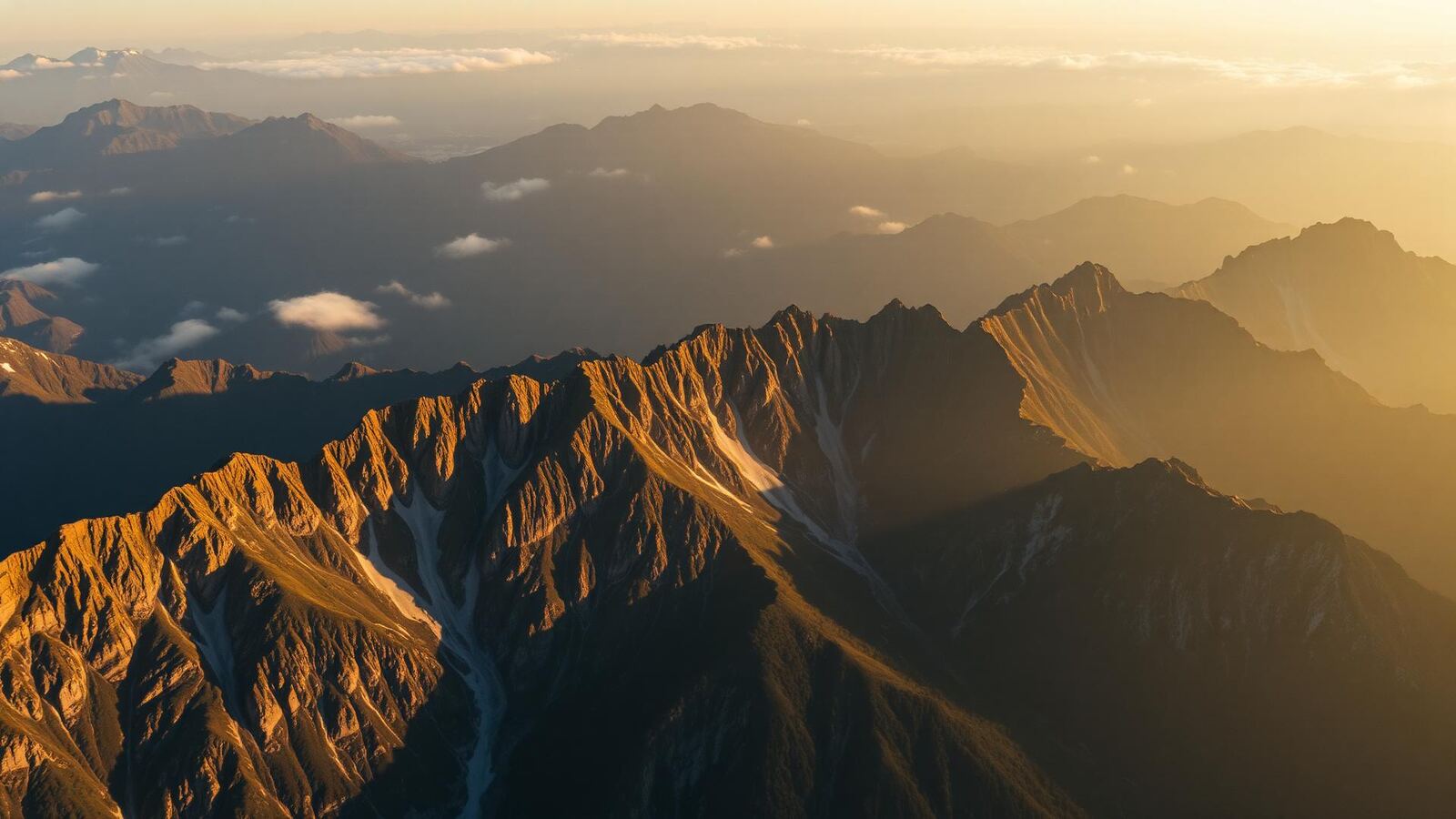
🇨🇭 Switzerland
Alpine density no other country matches.
Why go to Switzerland.
Switzerland compresses glaciers, 4,000 m peaks, turquoise lakes and the world's best mountain transport into an area you can cross in four hours — the highest-efficiency adventure country in Europe.
- Jungfrau-Aletsch: the largest glacier in the Alps, UNESCO listed.
- Rail and cable-car access means no car is required.
- Alpine huts make multi-day traverses accessible to fit hikers.
Conditions on the ground.
Where it sits, and how to move through it.
What to see, do and find.
- Jungfrau region
- Matterhorn / Zermatt
- Lauterbrunnen valley
- Aletsch Glacier
- Lake Lucerne
- Hike the Eiger Trail
- Glacier Express in winter
- Paraglide over Interlaken
- Val Bavona stone villages
- Oeschinensee at sunrise
- Creux du Van
- SAC mountain huts
- Interlaken chalets
- Zermatt car-free hotels
Explore Switzerland before you land.
Explorer-captured immersive footage is available for Switzerland. Step inside the landscape before committing to the route.
Open immersive modeSwitzerland follows EASA rules: registration required over 250 g, 120 m ceiling, no flying in nature reserves or near airfields without clearance.
Full drone rulesDay by day through Switzerland.
- Day 1–2Lucerne & Rigi
Lake steamer to Vitznau, cogwheel up Rigi, and the Chapel Bridge in the evening quiet after the day groups leave.
- Day 3–5Bernese Oberland
Base in Lauterbrunnen or Mürren. Schilthorn, the Eiger Trail and the Männlichen–Kleine Scheidegg ridge walk.
- Day 6–7Zermatt
Car-free village, Gornergrat at sunrise for the Matterhorn, and the Five Lakes walk in the afternoon.
- Day 8–9Engadin
Bernina Express over the pass, then the lakes and larch forests around Sils and Pontresina.
- Day 10Ticino
Verzasca valley pools, Lavertezzo's arched bridge and an Italian-speaking end to the loop.
What it takes, and what it costs.
Zurich (ZRH) and Geneva (GVA) are the entry points, both with rail stations inside the terminal. A Swiss Travel Pass covers trains, boats, most buses and many mountain railways.
Salt, Swisscom and Sunrise deliver near-total 4G/5G coverage including most valleys and many summits. EU roaming does not apply — buy a local eSIM.
- Swiss Travel Pass (8 days)
- €440–470
- Mountain hut half-board
- €75–105 / night
- Hotel (3★ alpine)
- €150–320 / night
- Cable car return
- €40–130
- Food (self-catering → restaurant)
- €25–80 / day
Eat, behave, pack.
- Fondue and raclette — winter dishes, eaten all year anyway
- Rösti with a fried egg after a long descent
- Bündnerfleisch air-dried in the Grisons
- Bakery Gipfeli and a coffee before the first lift
- Four languages: German, French, Italian, Romansh. Region decides the greeting.
- Punctuality is literal — trains leave at the printed second.
- Quiet hours are respected in villages and on trains' silent coaches.
- Cash is optional; cards and Twint work everywhere.
- Layer system — 20°C valley to 0°C summit in one lift
- Boots with ankle support for the ridge trails
- Refillable bottle; fountain water is drinkable
- Sunglasses and high-factor sun cream for glacier glare
- Half-fare or Travel Pass loaded on your phone
What explorers ask before Switzerland.
If you move regions every two or three days, yes. For a single-valley base, point-to-point tickets are cheaper.
Late June to early October, once the high passes clear of snow.
Yes under EU-aligned rules, with registration; nature reserves and many cable-car corridors are no-fly.
Sleep in SAC huts or self-cater apartments, and buy supermarket food for trail days.
What the brochures leave out.
- A Half-Fare or Swiss Travel Pass usually beats renting a car.
- Weather flips fast above 2,000 m — check the SAC forecast.
- Book huts weeks ahead in July and August.