
🇹🇳 Tunisia
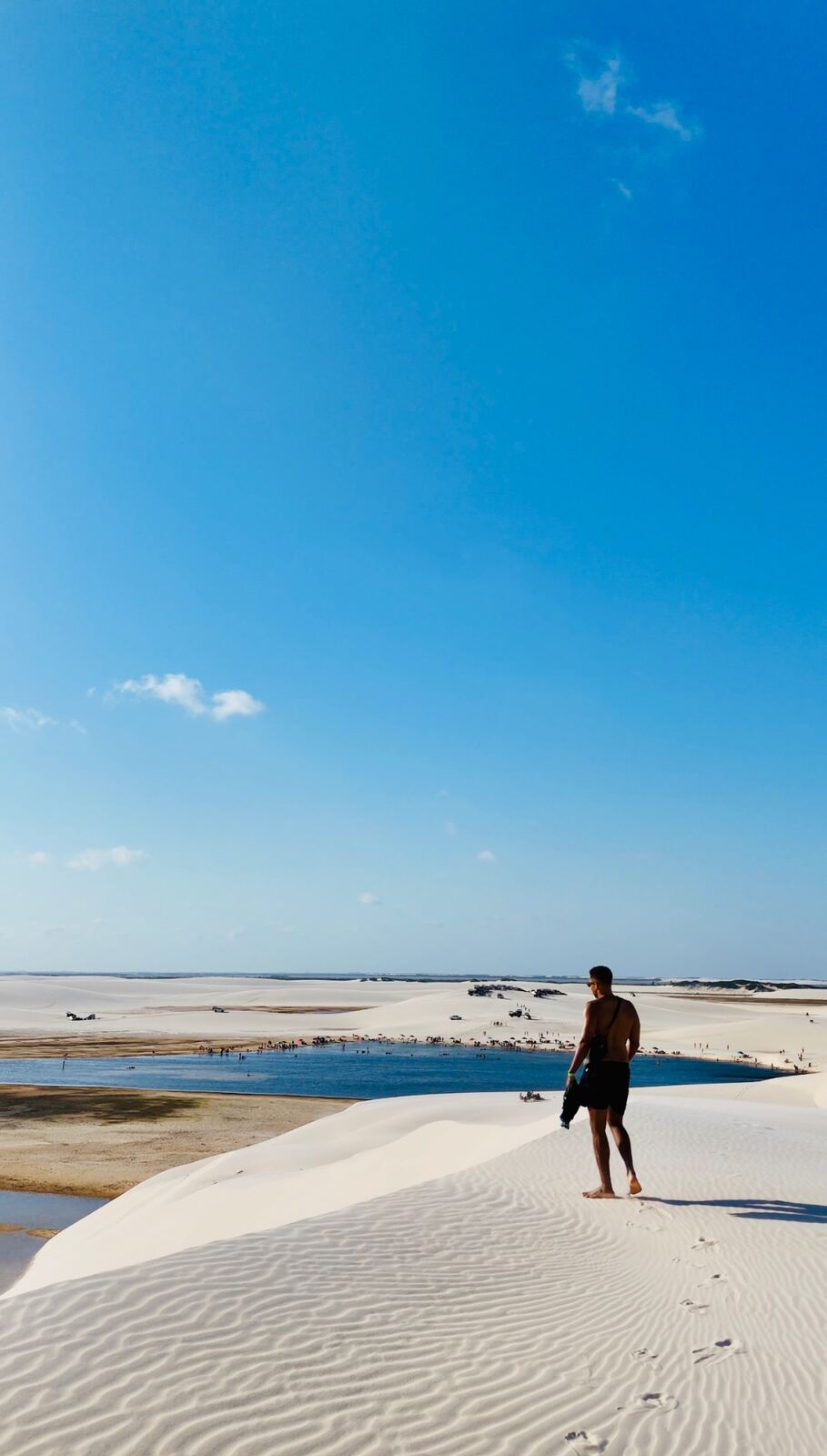
Sahara, salt flats and Mediterranean medinas.
Why go to Tunisia.
A three-hour flight from Europe puts you in Roman amphitheatres, mountain oases and the edge of the Sahara — one of the most efficient desert expeditions available from the EU.
- Chott el Jerid salt flat crossings at sunrise.
- El Djem amphitheatre rivals Rome's Colosseum with a fraction of the visitors.
- Mountain oases of Chebika, Tamerza and Mides in one loop.
Conditions on the ground.
Where it sits, and how to move through it.
What to see, do and find.
- El Djem
- Chott el Jerid
- Tozeur
- Sidi Bou Said
- Dougga
- Desert 4x4 to Ksar Ghilane
- Medina walk in Tunis
- Star Wars set circuit
- Mides Canyon
- Takrouna village
- Kerkennah Islands
- Tozeur desert hotels
- Tunis medina riads
- Djerba beach resorts
Explore Tunisia before you land.
Immersive coverage for Tunisia is not captured yet — it is on the Explorer production queue.
Open immersive modeDrone import is heavily restricted and generally requires prior Ministry of Defence approval.
Full drone rulesDay by day through Tunisia.
- Day 1–2Tunis & Carthage
The medina at opening hour, the Bardo mosaics, Carthage ruins and blue-and-white Sidi Bou Said at dusk.
- Day 3Dougga
The best-preserved Roman town in North Africa, usually empty. Go early for long light across the capitol.
- Day 4–5El Jem & Kairouan
A Roman amphitheatre that rivals the Colosseum, then Islam's fourth holy city and its Great Mosque.
- Day 6–8Douz & the Sahara
Camel or 4x4 into the erg, a night under the dunes, Chott el Djerid salt flat crossing at sunrise.
- Day 9–10Tataouine & Matmata
Ksour granaries and troglodyte homes, then the coastal road up to Djerba for the flight out.
What it takes, and what it costs.
Tunis-Carthage (TUN) is two hours from most of Europe, with Djerba (DJE) serving the south. Louage shared taxis and a rental car cover everything between.
Ooredoo and Orange prepaid data is cheap and works well; the Sahara south of Douz is patchy and worth planning around.
- Rental car
- €25–40 / day
- Riad / hotel
- €25–120 / night
- Desert overnight (guided)
- €60–140 pp
- Site entries
- €3–6 each
- Meals
- €10–25 / day
Eat, behave, pack.
- Brik à l'oeuf — eaten in one bite or not at all
- Couscous with lamb on Fridays
- Lablabi, chickpea soup with harissa
- Mint tea with pine nuts after everything
- French is the second language; a few Arabic phrases go a long way.
- Modest dress inland and at religious sites, shoulders and knees covered.
- Ramadan reshapes opening hours — check dates before booking.
- Haggling in souks is expected; a smile sets the price.
- Scarf for dust and sun in the erg
- Warm layer — Sahara nights are cold
- Sturdy sandals plus closed shoes
- Cash dinars; ATMs thin out south of Douz
- Sunglasses rated for glare on the chott
What explorers ask before Tunisia.
Visa-free for EU, UK and many other passports for up to 90 days.
Yes on tarmac. Anything on the sand — the erg, Ksar Ghilane approaches — should be with a local guide.
March to May and September to November. July inland exceeds 45°C.
Drones are heavily restricted and often confiscated at customs. Do not bring one without written authorisation.
What the brochures leave out.
- Desert temperatures swing 20°C between day and night.
- Cash is essential in the south.
- Hire a local guide for the dune sections — GPS is not enough.